
Sunshine Island : Farming Game
Goodgame StudiosSimulation
4.67.61K Reviews
- Version
- 1.3.36661
- Installs
- 10.00M
- Age Rating
- Everyone
Screenshots
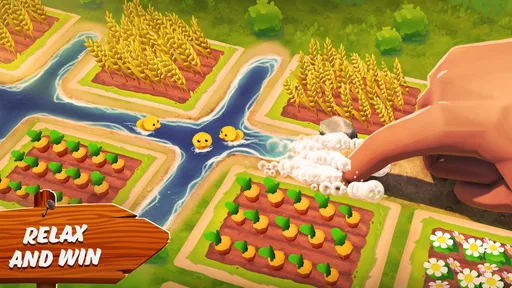
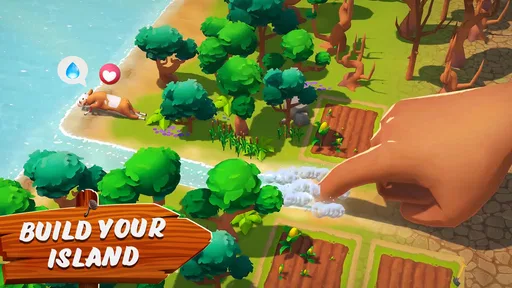
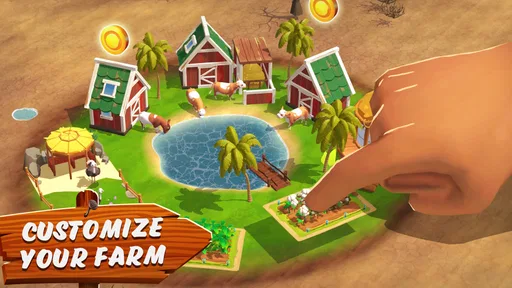
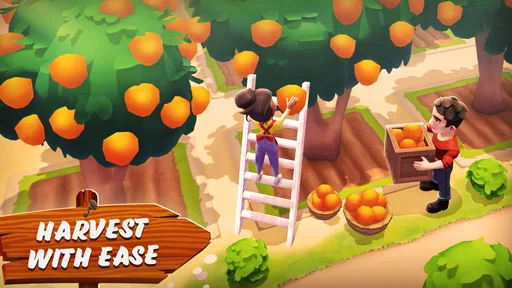
Our Review of Sunshine Island : Farming Game
 Analysis by Appyee
I tend to enjoy farming games most when they give me small decisions to make without turning every spare minute into a chore. Sunshine Island: Farming Game aims for that relaxed middle ground: I can plant, tend animals, and gradually shape an island farm, then leave and return when I feel like picking up the routine again. It is a free simulation game from Goodgame Studios, and its sunny, colorful setting makes it an easy one to open when I want something gentler than a competitive or action-focused game.
Choosing What to Grow and What to Improve
The early appeal is the simple loop of planting crops, waiting for them to grow, harvesting, and using the results to keep the farm moving forward. That simplicity is useful on a phone: I can make a few choices in a short session rather than needing to memorize a complicated system. The more interesting question is what to prioritize as the farm expands. I found it helpful to think about the next task I want to complete before spending resources, rather than treating every new plot or decorative option as an automatic upgrade.
That small bit of planning changes the feel of the game. If I focus on crops and animal care that support the goals currently in front of me, progress feels coherent; if I spend too freely on whatever catches my eye, I can make the next objective feel slower. This is not a high-pressure strategy game, but it still rewards a little foresight. Planning around the next useful step is more satisfying than expanding just for the sake of seeing a bigger farm.
A Farming Rhythm That Fits Short Sessions
The game works best for me as a quick check-in rather than a long, uninterrupted session. I can tend to a few things, see what needs attention, and decide whether I have time to keep going. That makes it a plausible fit for a break between errands or a quiet moment at the end of the day. A practical routine is to open the game with one purpose in mind—such as making progress on a task or checking the farm—then stop when that purpose is handled instead of feeling obliged to clear every available action.
This rhythm also helps set expectations. Crop growing and farm development are naturally paced, so the experience is less about instant results than returning to see what has changed. If you want a game that delivers a complete round of action in a few minutes, a puzzle game may be a better match. If you like having a gentle project that can continue across several brief visits, the farm’s pace makes more sense.
Life on the Island, One Decision at a Time
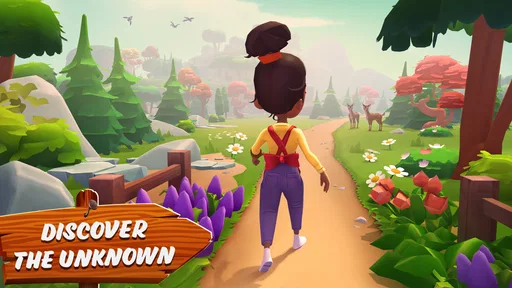
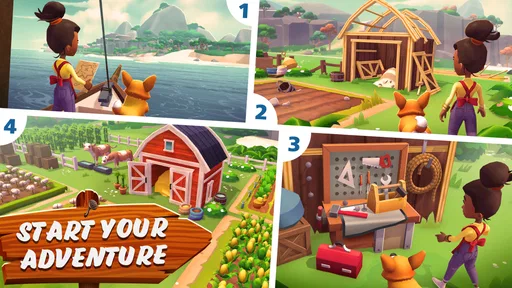
When you launch Sunshine Island, you’re immediately whisked away to a lush, colorful island that feels like the perfect canvas for your farming adventures. The game kicks off with a brief, friendly tutorial that guides you through the basics of planting, harvesting, and expanding your farm. It’s intuitive enough that even if you’re new to farming games, you’ll feel right at home.
Building Your Farm from the Ground Up
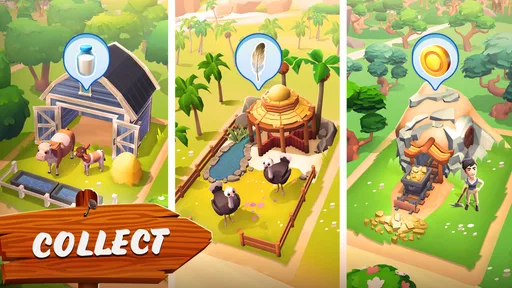
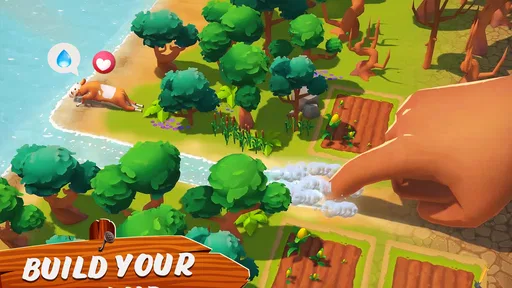
The core of the game revolves around growing a variety of crops and raising livestock. You start small, with a few plots of land and basic seeds. But as you progress, you’ll unlock new crops, animals, and even decorative items to spruce up your farm. I found it incredibly satisfying to watch my little farm expand and thrive. The game does a great job of balancing progress with patience, ensuring you’re always motivated to come back for more.
Quests and Adventures Await
One of the aspects that really stood out to me was the quest system. It adds a layer of adventure to your farming routine. By completing tasks, you earn rewards that can be used to upgrade your farm or purchase special items. It’s a clever way to keep players engaged and provides a sense of accomplishment. Plus, the quests are varied and sometimes pleasantly challenging, keeping the gameplay fresh and exciting.
Making Progress Without Rushing
Quests give the farming loop a useful direction, but I would treat them as guidance rather than a checklist that must be cleared immediately. When a task asks for something I have not prepared, I can use that moment to decide whether to adjust my next planting choices or simply continue with the farm’s current routine. That is a small but worthwhile trade-off: following goals closely can make progress feel focused, while taking a more relaxed route gives me room to develop the island at my own pace.
For a realistic everyday example, imagine opening the game during a short evening break. I might check which crops are ready, collect them, and then look at the current quest before choosing what to plant next. If the goal suits what I was already doing, I can work toward it without disrupting the whole farm. If it does not, I can leave it for a later visit rather than spending impulsively just to finish it. That approach keeps the game pleasant and makes its waiting periods feel like part of the rhythm instead of a demand to stay online.
The Social Side of Farming
Let’s not forget about the social elements. The game allows you to connect with friends, visit their farms, and even trade goods. It’s a fantastic way to build a community and share tips and tricks. I really enjoyed this feature as it added a sense of camaraderie and friendly competition. You get to see how others have designed their spaces, which can be quite inspiring when you’re looking for new ideas for your own farm.
Visiting Friends for Ideas, Not Pressure
The social side is most useful when I treat other farms as inspiration rather than a scorecard. A visit can show me different ways to arrange a space or give me a reason to talk about what I am working toward. Trading also gives the community a practical purpose beyond simply looking around. At the same time, players who prefer a completely solo experience may not care about these features, and that is a real difference in fit: this game has a social layer available, but the farming loop itself is still the main attraction.
Compared with a purely solitary farm simulator, those visits and trades can make the island feel more connected. Compared with a competitive management game, the appeal here is less about measuring every decision against another player and more about enjoying a shared hobby. If your favorite part of the genre is building a personal farm with no social interaction, you may prefer a more self-contained alternative. If you like swapping ideas and checking in on friends, this element gives you another reason to return.
Graphics and Sound: A Feast for the Senses
The graphics in Sunshine Island are simply delightful. The vibrant colors and charming animations bring the island to life, making every visit to your farm feel like a mini-vacation. The sound design is equally impressive, with soothing background music and sound effects that enhance the calming atmosphere of the game. It’s the kind of place you’d want to spend hours in, just basking in the serenity.
Who Will Enjoy This Kind of Island Life?
I would point casual players, newcomers to farming games, and anyone who enjoys gradual progress toward small goals toward this one. Its friendly onboarding and familiar cycle of crops, animals, and farm growth make it approachable without asking me to learn a dense set of rules first. The age rating is Everyone, and the game is listed for devices running Android 8.0 or later. It has a 4.7 average from around 154,000 ratings, with more than 5 million installs, which suggests that many players have found this style of accessible farm play appealing.
It is less likely to suit someone who wants a deep agricultural simulation, a tightly bounded story, or constant action. The pleasures here come from tending a small virtual place and seeing it develop, not from mastering realistic farming equipment or reacting to fast-moving threats. Players who dislike timers and gradual progression should also consider whether they enjoy returning to a game in short bursts. I find that pace calming, but it can feel like waiting if you want every decision to have an immediate payoff.
Monetization and Microtransactions
Now, let’s talk about the elephant in the room – microtransactions. While the game is free to play, it does offer in-app purchases. However, I found that they’re not intrusive. You can enjoy the game fully without spending a dime, though there are options to speed up progress if you’re impatient. It’s a fair system that doesn’t hinder the overall experience.
The sensible approach is to decide in advance whether you are comfortable paying to save time. Purchases range from $0.99 to $149.99 per item, so the upper end is substantial; I would not tap through a purchase prompt without checking the amount carefully. Free play is the right starting point if you are unsure. The useful question is not whether a purchase exists, but whether waiting is genuinely spoiling your enjoyment. If it is only impatience in the moment, I would close the prompt and return later; if you simply dislike games that offer paid acceleration at all, a title without that model may suit you better.
Keeping the Long Game Enjoyable
As the farm grows, I find it useful to choose one small focus for each visit instead of trying to optimize everything at once. One session can be about handling a quest, another about tending crops, and another about checking in with friends. This keeps the different parts of the game from competing for attention and makes progress easier to notice. It also gives me a natural stopping point: once the task I chose is done, I can leave without feeling that I have failed to complete the entire island.
The game was released on January 9, 2023, and its current version is 1.3.31951. Those details matter less to my day-to-day enjoyment than whether the relaxed loop suits me, but they help identify the edition a player is considering. The broader point is that this is a game to approach at its own pace. I would not recommend turning it into a daily obligation; it is better when opening it feels like choosing a calm diversion rather than reporting for a shift.
Final Thoughts
In conclusion, Sunshine Island: Farming Game is a delightful escape into a world where you can cultivate your own paradise. With its intuitive gameplay, engaging quests, and social elements, it’s a must-try for anyone looking to unwind and enjoy a peaceful farming experience. Plus, the beautiful graphics and sound make it a joy to play. Whether you’re a seasoned farmer or a newcomer to the genre, this game offers a slice of island life that’s hard to resist. So, grab your virtual overalls and start planting those seeds – your island adventure awaits!
My Verdict on the Trade-Off
I recommend giving it a try if you want a colorful, low-pressure farm to revisit in spare moments, especially if you enjoy quests and the option to connect with friends. I would skip it if you need fast rewards, a highly realistic simulation, or a game that never nudges you toward paid shortcuts. For me, its strongest quality is that it turns modest choices—what to tend, which task to follow, when to stop—into a pleasant routine. The best way to enjoy it is to set your own pace, spend cautiously, and let the island grow one visit at a time.
Verdict
Strengths of Sunshine Island : Farming Game
- Engaging and vibrant graphics enhance play.
- Intuitive controls for smooth gameplay.
- Regular updates with new content.
- Community features for social interaction.
- Minimal in-app purchases required.
Limitations of Sunshine Island : Farming Game
- Requires a stable internet connection.
- Limited offline gameplay options.
- Ads can be frequent and disruptive.
- Some tasks can be repetitive.
- Battery consumption is relatively high.
Other Releases by Goodgame Studios
View All
Big Farm: Mobile Harvest
Casual4.0

Big Farm Homestead
Simulation4.6
Similar Picks in This Category
View All
Truckers of Europe 3
Wanda Software4.3

Town Building Life Simulator
XGame Global4.2

Fidget Toys Trading・Pop It 3D
Freeplay Inc4.7

Sculpt People
CrazyLabs LTD4.4

Scary Teacher 3D
Z & K Games4.2

Hair Tattoo: Barber Shop Game
CASUAL AZUR GAMES4.3
Frequently Asked Questions
What is the main objective of Sunshine Island: Farming Game?
The main objective of Sunshine Island: Farming Game is to build and manage your own farm on a beautiful island. Players are tasked with growing crops, raising animals, and expanding their farm with various buildings and upgrades. The game offers a blend of farming simulation and strategy, allowing players to explore, trade, and interact with the island's community.
Is Sunshine Island: Farming Game free to play?
Yes, Sunshine Island: Farming Game is free to play. However, like many mobile games, it offers in-app purchases. These purchases can enhance the gameplay experience by providing additional resources, speeding up processes, or unlocking exclusive items. Players can enjoy the game without spending money, but in-app purchases offer added convenience.
What platforms is Sunshine Island: Farming Game available on?
Sunshine Island: Farming Game is available for both Android and iOS devices. It can be downloaded from the Google Play Store for Android users and the Apple App Store for iOS users. Ensure that your device meets the necessary system requirements for the best gaming experience.
Are there any multiplayer features in Sunshine Island: Farming Game?
Yes, Sunshine Island: Farming Game includes multiplayer features. Players can connect with friends and other players around the world to trade resources, visit each other’s farms, and participate in cooperative events. This social aspect adds a layer of community interaction and competition, enhancing the overall gameplay experience.
What kind of updates and support can players expect?
Players can expect regular updates that introduce new features, seasonal events, and bug fixes to Sunshine Island: Farming Game. The developers are active in providing support to ensure a smooth gaming experience. Players can contact support through the app or the official website for any issues or feedback, ensuring the community remains engaged and satisfied.
Play our best games!


